

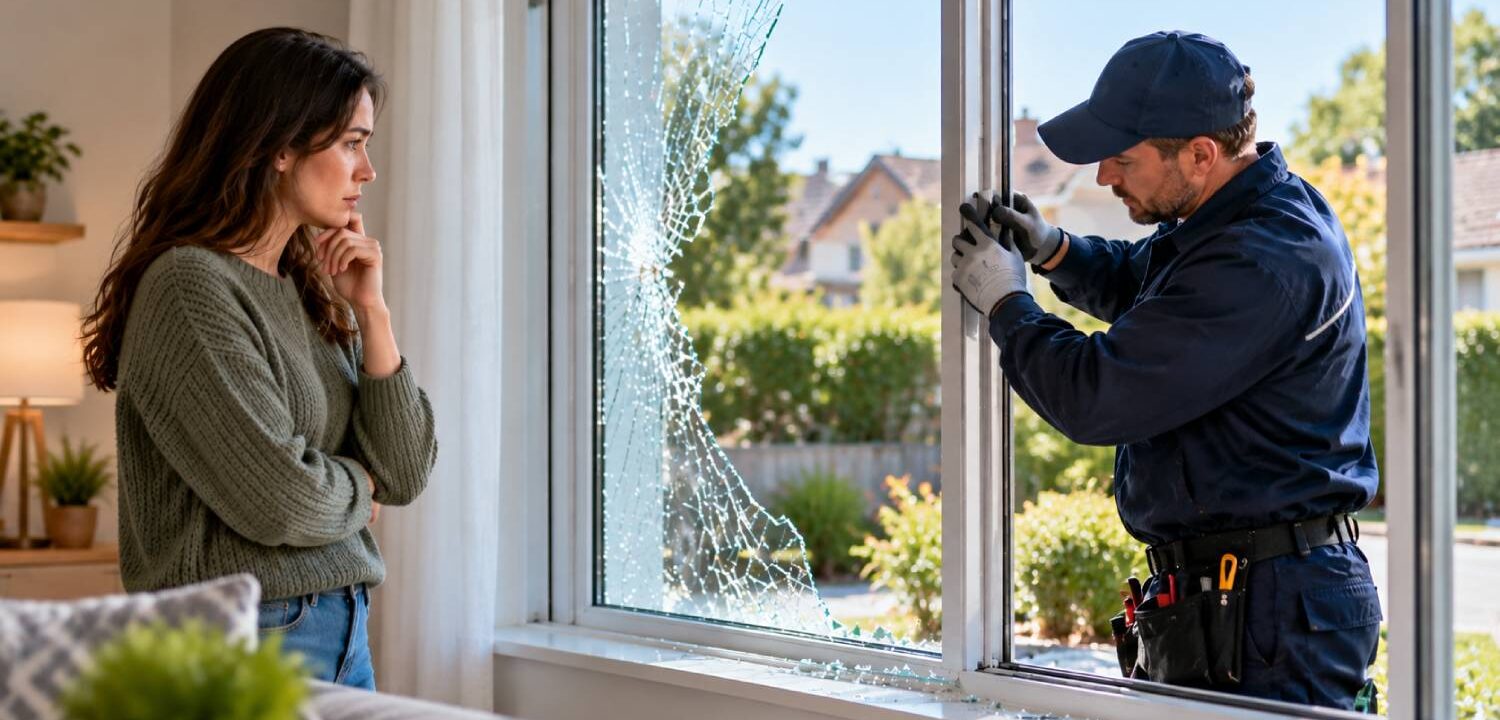
When to Call an Emergency Glazier and What to Do While You Wait
Glass damage can happen without warning, leaving your home or business exposed to weather, security risks and potential injuries. A broken window, damaged door panel or smashed shop front may need urgent attention, particularly when sharp glass is accessible or the opening cannot be secured. Knowing how to respond can help protect everyone on the premises.
Understanding when to contact an emergency glazier is an important part of managing unexpected glazing problems. Whether the damage follows an accident, a break-in or severe weather, taking sensible precautions and arranging professional assistance can help you secure the property while deciding on the most appropriate repair.
When Does Glass Damage Become an Emergency?
Not every glazing problem requires immediate attendance, but some situations should be addressed as soon as possible. The main considerations are safety, security and whether the damaged area leaves the building vulnerable.
Broken Windows and Glass Doors
A shattered window or broken glass door can leave sharp fragments around the property and create an accessible opening. This may put household members, employees, customers and passers-by at risk. Damaged doors can also affect access to the building or prevent it from being secured properly.
If the glass is unstable, falling apart or likely to collapse, keep people away and seek professional assistance. Do not wait for a convenient appointment if the damage creates an immediate hazard.
Damage Following a Break-In
A damaged window or glass entrance after a break-in can leave a property exposed to further unauthorised access. Even if the remaining glass appears intact, the frame, locks or surrounding fittings may also have been affected.
Emergency glazing professionals can assess the damage and determine whether a repair, glass replacement or temporary boarding is appropriate. If a crime has occurred, report it to the police and follow their advice about preserving potential evidence before arranging work.
Smashed Shop Fronts and Commercial Glazing
Businesses may need urgent help when a shop front, office window or other commercial glazing becomes damaged. Broken glass can endanger customers and staff, compromise security and disrupt normal operations.
Restrict access to the affected area and arrange an assessment. Where immediate replacement is not practical, temporary boarding may help secure the opening until suitable replacement glass can be fitted.
Warning Signs That Should Not Be Ignored
Visible breakage is not the only reason to seek professional advice. Cracks, loose panes and damaged frames can also indicate a safety concern.
Contact a glazing professional promptly if you notice cracks that are spreading, glass that has shifted within its frame, or a pane that appears loose. Avoid opening or closing a damaged window or door, as movement may place additional pressure on the glass.
Double-glazed windows can also develop misting between the panes when the sealed unit fails. This usually indicates a repair or replacement issue rather than an immediate emergency, provided the glass remains secure and there is no other hazard. However, cracked glass, unstable frames or problems affecting the security of an entrance require more urgent attention.
If you are uncertain about the seriousness of the damage, explain the situation to a qualified professional and ask whether an emergency visit is necessary.
What to Do While Waiting for a Glazier
Once you have arranged assistance, concentrate on keeping people safe and limiting further damage. Avoid attempting repairs that could cause injury.
- Keep everyone away from the damaged area. Close off the room or section of the building, especially where children, pets or members of the public could approach broken glass.
- Avoid handling glass fragments. Do not pull out loose pieces or try to remove a pane yourself. Larger fragments can fall unexpectedly, while smaller pieces may be difficult to see.
- Do not attempt makeshift repairs at height. Avoid climbing ladders, leaning out of windows or using tools to remove damaged glazing. Leave unstable glass and difficult access points to trained professionals.
- Reduce exposure to the weather. If it is safe, move people and valuable items away from the opening. Do not approach unstable glass to cover it, and never use a covering method that requires working near dangerous fragments.
- Secure the surrounding area where possible. Keep doors to the affected room closed if appropriate, but do not force damaged windows or doors into position. If the property cannot be secured, tell the glazier when requesting assistance.
- Document the damage safely. Take photographs from a safe distance if possible. These may help explain the problem to the contractor and support an insurance claim.
- Check for injuries. Seek appropriate medical help if anyone has been cut or injured. If there is an immediate threat to life or a serious injury, contact the emergency services.
When speaking to the glazing company, describe the type of glass, the location of the damage, the approximate size of the opening and any access difficulties. Mention whether the property is occupied and whether the opening affects security. Clear information helps the professional understand the urgency and prepare for the visit.
What Happens When a Glazier Arrives?
The first step is usually an assessment of the damaged glass, frame and surrounding fittings. The glazier will consider whether the area can be repaired safely, whether replacement glass is required and whether the opening needs temporary protection.
In some cases, suitable glass may be available for an on-site repair. However, certain panes or double-glazed units may need to be measured and ordered before installation. If immediate replacement is not possible, boarding up can provide temporary protection against access, weather and further damage.
Ask the glazier to explain the proposed work, expected timescales and any costs before authorising the repair. The most suitable solution will depend on the type and extent of the damage, the materials required and the condition of the existing frame.
Choosing the Right Emergency Glazing Service
When arranging assistance, look for a provider experienced in the type of damage involved. Residential windows, patio doors, double-glazed units and commercial shop fronts can require different repair approaches.
Availability is another important consideration. A company offering emergency attendance outside standard working hours may be helpful when a broken window leaves a property unsecured overnight. However, response times can depend on location, access, demand and the nature of the problem, so confirm the expected arrival time when booking.
It is also sensible to establish whether the initial visit covers assessment and temporary protection or whether a permanent repair is likely to be completed immediately. Ask for a clear explanation of any additional work that may be necessary.
If you have buildings insurance, check your policy before proceeding where circumstances allow. Cover for accidental glass breakage, excesses and approved contractors varies between policies. Keep photographs, invoices and relevant correspondence in case your insurer requests them.
Final Thoughts
Broken glass can present immediate safety and security concerns, particularly when windows, doors or shop fronts are damaged. Keep people away from the affected area, avoid handling unstable fragments and contact a professional when the damage creates a hazard or leaves the property exposed. Temporary boarding may be appropriate when permanent replacement cannot be completed straight away.
Knowing when to call an emergency glazier and what to do while you wait helps you respond calmly and make informed decisions. Describe the damage clearly, confirm the expected response and costs, and leave hazardous repairs to qualified professionals. Prioritising safety is the most important step towards restoring the property securely.










Leave a Comment