

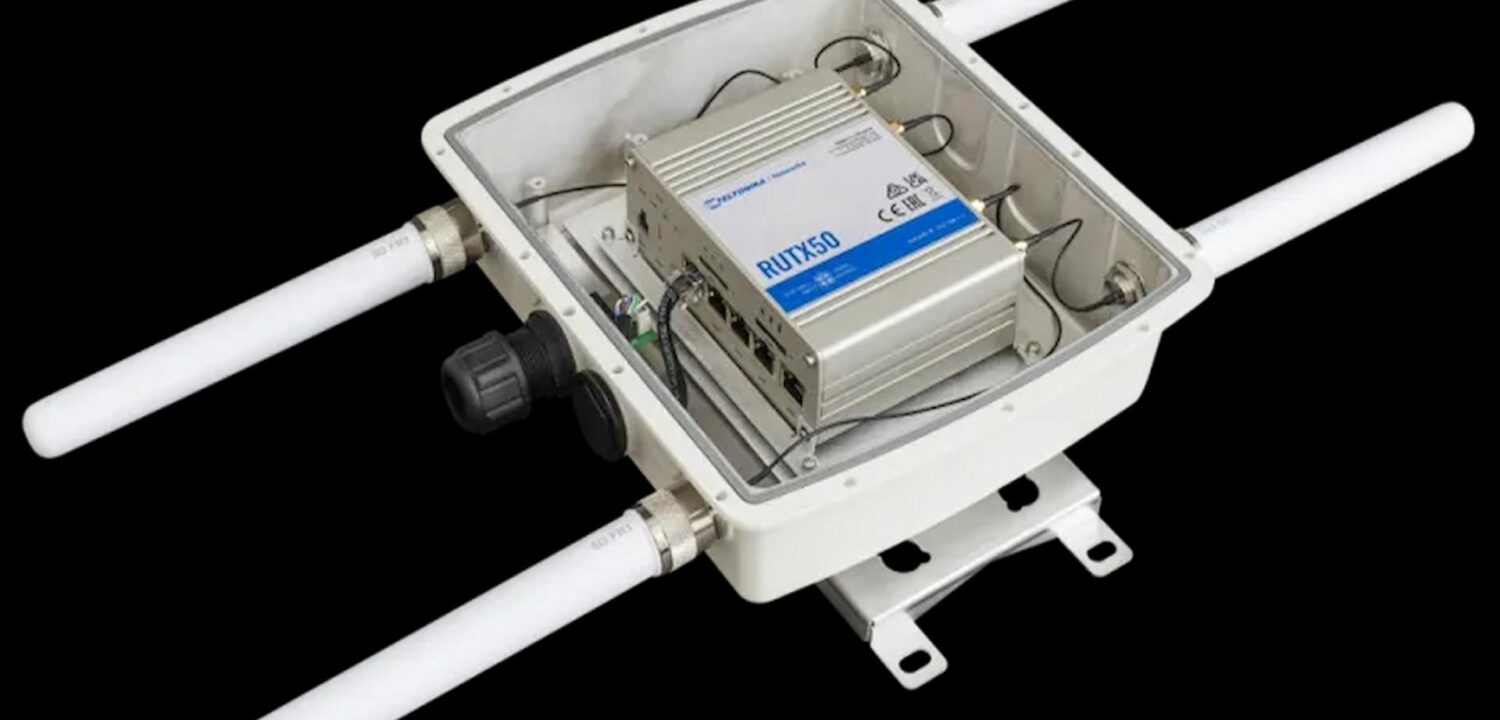
Why Waterproof IP67 / NEMA6 Electronics Enclosures Matter in Modern Device Protection
In an age where devices operate in more challenging environments than ever, keeping electronics safe from water, dust, and impact is no longer optional. Waterproof IP67 and NEMA6 enclosures offer the reliable protection modern technology demands—ensuring equipment lasts longer, performs better, and stays resilient in challenging conditions.
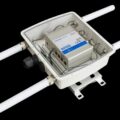
Modern devices are more intelligent, smaller, and more powerful than ever. Yet this progress comes with a challenge: delicate electronics now operate in harsher environments, from outdoor installations and industrial plants to marine settings and smart-home systems. One unexpected splash, dust cloud, or weather shift can cause severe damage. This is where choosing the right Waterproof IP67 / NEMA6 Electronics Enclosure becomes essential.
As technology continues to merge with everyday routines, device protection is no longer optional. It is a design priority. Understanding why these enclosure ratings matter helps engineers, installers, and product designers make informed decisions that extend equipment lifespan and ensure reliable performance.
What Makes IP67 and NEMA6 Protection So Important?
IP and NEMA ratings were designed to standardise the degree to which an enclosure protects internal electronics from dust, water, and other environmental hazards. Both ratings provide reassurance that sensitive circuits are protected under demanding conditions, giving users confidence that devices will remain functional when it matters most.
The demand for safer housing continues to rise, especially when a Waterproof IP67 / NEMA6 Electronics Enclosure is required for mission-critical equipment. From sensors placed outdoors to industrial controllers exposed to washdown areas, these ratings ensure protection where conventional housings fail.
Understanding the Difference: IP67 vs. NEMA6
IP67 Rating
The IP rating system (Ingress Protection) classifies how well an enclosure blocks solids and liquids.
- 6 – Complete protection against dust ingress
- 7 – Resistant to temporary immersion in water (up to 1 metre for 30 minutes)
Devices with an IP67 enclosure are ideal for outdoor electronics, intelligent lighting systems, and equipment exposed to unpredictable weather or accidental splashes.
NEMA6 Rating
NEMA (National Electrical Manufacturers Association) uses a slightly broader classification, focusing on environmental hazards and mechanical strength.
A NEMA6 enclosure protects against:
- Heavy splashes
- Hose-directed water
- Temporary submersion
- Ice formation on the enclosure exterior
This makes it a popular choice for industrial sites, marine environments, wastewater facilities, and rugged outdoor installations.
Why These Enclosures Matter in Real-World Applications
1. Protecting Electronics in Harsh Outdoor Conditions
Outdoor devices are exposed to an unpredictable mix of rain, dust, humidity, and extreme temperatures. Without proper protection, sensors, communication units, and control modules fail prematurely.
IP67 and NEMA6 enclosures offer:
- Long-term weather resistance
- Reliable insulation against moisture
- Dust-tight construction for cleaner internal circuits
This extends device life and significantly reduces maintenance costs.
2. Ensuring Safety in Industrial and Manufacturing Environments
Factories and production plants often involve water spray, chemical exposure, and vibration. An unprotected device can lead not only to equipment damage but also to safety risks.
Using a correctly rated enclosure helps:
- Prevent electrical short circuits
- Maintain uninterrupted automated processes
- Reduce downtime caused by environmental failures
3. Supporting the Growth of IoT and Smart Devices
Modern IoT devices operate everywhere—underground, underwater, outdoors, and in tight mechanical spaces. Their reliability depends on the enclosure that houses them.
IP67 / NEMA6 protection enables:
- Secure placement in challenging locations
- Stable performance for long-term monitoring
- Reduced risk of sensor drift caused by moisture or dust
As IoT adoption expands, demand for robust enclosure design grows.
4. Preventing Water Ingress: The Leading Cause of Device Failure
Moisture intrusion remains the number one threat to electronics. Even a few drops can corrode circuit boards, interrupt signals, or permanently damage components.
A well-engineered IP67 or NEMA6 enclosure prevents:
- Capillary water seepage
- Condensation buildup
- Rust and electrical failure
This protection is crucial for applications near water bodies, underground utilities, and heavy-wash environments.
Key Features That Make These Enclosures Effective
High-Quality Sealing Systems
Gaskets, O-rings, and seamless lips ensure tight closure, preventing leaks even during immersion.
Impact-Resistant Materials
Polycarbonate, stainless steel, and aluminium housings withstand shocks, UV exposure, and physical wear.
Secure Locking Mechanisms
Latches and reinforced covers maintain pressure and prevent accidental opening.
Corrosion-Resistant Coatings
Essential for marine or chemical-heavy environments, these coatings protect against rust and oxidation.
Choosing the Right IP67 or NEMA6 Enclosure for Your Device
When selecting an enclosure, consider:
- Installation environment (indoor, outdoor, industrial, marine)
- Exposure level to dust, splashes, or immersion
- Material durability
- Mounting requirements
- Size flexibility and internal layout
A high-quality Waterproof IP67/ NEMA 6 Electronics Enclosure ensures that equipment remains functional, safe, and efficient regardless of its environment.
The Future of Device Protection
As industries advance, enclosure technology continues to evolve. Smart seals, sensor-integrated housings, and advanced corrosion-proof materials are becoming standard. With more devices operating autonomously and remotely, robust enclosure protection will remain central to reliability and performance.
Conclusion
IP67 and NEMA6 enclosures are more than protective shells—they are essential components of modern device design. They safeguard electronics from dust, moisture, and environmental stress, ensuring consistent performance in challenging environments. Choosing the proper enclosure helps reduce failures, improve safety, and extend equipment lifespan. For engineers, manufacturers, and installers, prioritising protective ratings is a wise investment in long-term reliability.








Leave a Comment