

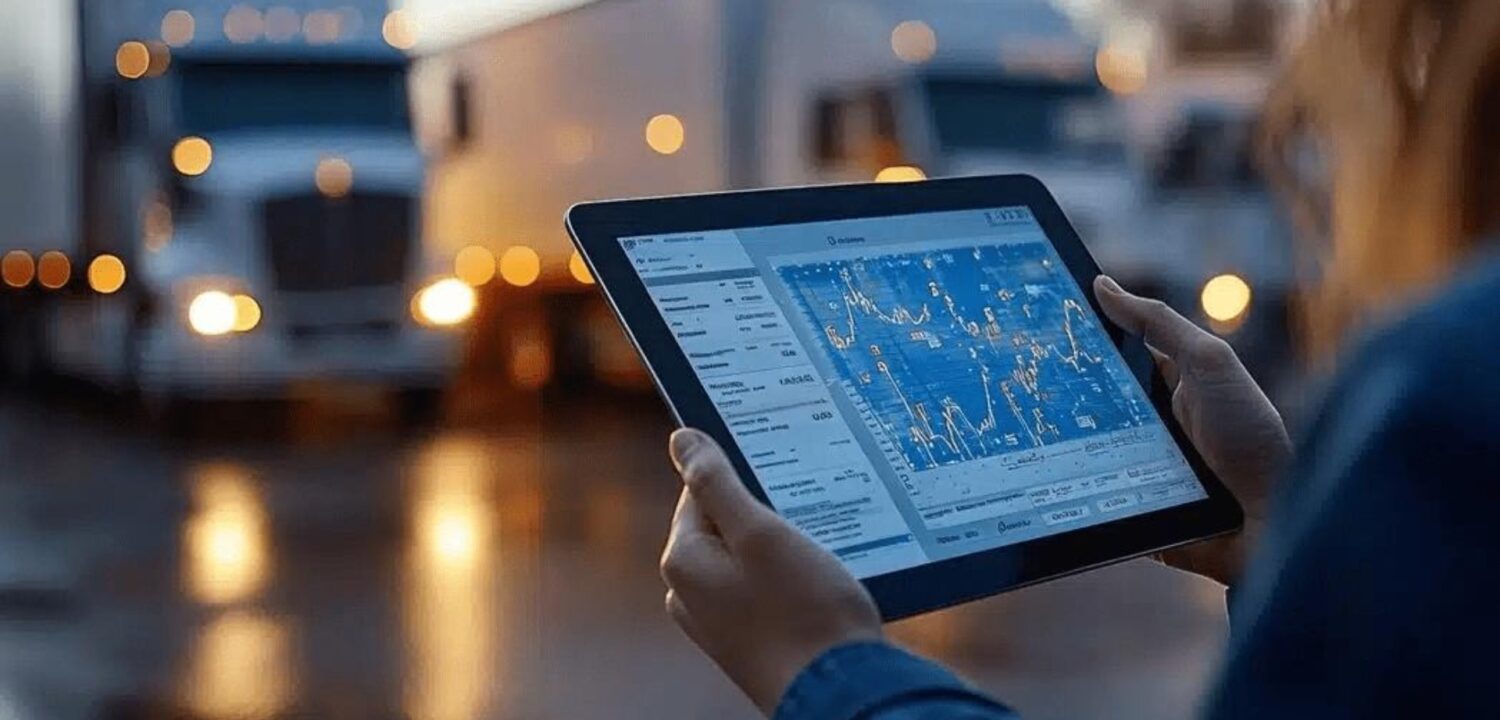
Managing a large fleet of vehicles means dealing with high fuel costs and the complexities of tracking fuel expenses. Fleet fuel cards simplify this process, offering businesses better control, enhanced security, and real-time insights into fuel usage. By providing detailed reports and streamlined payment methods, they help companies reduce costs, save time, and improve operational efficiency.
For businesses that rely on a fleet of vehicles, managing fuel expenses is an ongoing challenge. Whether it’s a delivery service, transportation company, or large corporate fleet, keeping track of fuel costs and ensuring accountability is crucial for maintaining profitability. Fleet fuel cards are an effective solution that simplifies fuel management and improves operational efficiency. These specialized cards allow businesses to manage fuel transactions with ease, while providing valuable insights into spending patterns.
What Are Fleet Fuel Cards and Why Should You Care?
Fleet fuel cards are payment cards specifically designed to help businesses manage fuel purchases for their fleets. Unlike personal credit or debit cards, fleet fuel cards are intended solely for fuel expenses and are accepted at a wide range of fuel stations. These cards allow businesses to track fuel consumption, monitor spending, and prevent misuse, all while streamlining the payment process for fuel-related expenses.
With fleet fuel cards, businesses gain access to detailed transaction reports that help them monitor each vehicle’s fuel usage, track costs, and identify inefficiencies. This helps fleet managers make informed decisions and identify areas for potential cost savings.
How Fleet Fuel Cards Benefit Large Vehicle Fleets
Improved Fuel Expense Control
One of the most significant advantages of fleet fuel cards is the ability to have full control over fuel expenses. With detailed reports and real-time data, fleet managers can easily track the fuel usage of each vehicle. This helps businesses keep their fuel spending in check, ensuring that there are no unexpected charges or fraudulent activities. By setting purchase limits and monitoring transactions, companies can further reduce the likelihood of misuse.
Time and Cost Savings
Fleet fuel cards eliminate the need for manual paperwork, such as keeping receipts or submitting reimbursements for fuel expenses. With the data automatically captured and organized, it saves valuable time for fleet managers and employees. This streamlined process not only reduces administrative workload but also helps avoid errors that might occur during manual entry.
Moreover, businesses can save on fuel costs by setting purchasing limits and controlling where fuel can be purchased. This ensures that drivers aren’t buying fuel at locations that charge excessively high prices.
Enhanced Security
For businesses with a large fleet, ensuring the security of fuel transactions is paramount. Fleet fuel cards provide an added layer of security by allowing fleet managers to set specific limits and track every transaction. Unlike traditional methods such as cash or credit cards, fleet fuel cards come with features like PIN protection, restricting unauthorized use. This reduces the chances of fraud and gives businesses peace of mind that their fuel expenses are being carefully monitored.
Simplified Reporting and Analytics
Fleet fuel cards provide comprehensive reporting features that make it easier for fleet managers to analyze fuel consumption trends across the entire fleet. With detailed insights into individual vehicle usage, businesses can identify any unusual patterns, such as excessive fuel consumption or potential maintenance issues. This data helps make informed decisions regarding fuel efficiency improvements and maintenance scheduling.
Additionally, many fleet fuel card systems offer integration with fleet management software, allowing businesses to manage all aspects of their fleet in one place, from fuel usage to vehicle maintenance.
Environmental Impact and Efficiency
Using fleet fuel cards helps improve fuel efficiency by enabling fleet managers to monitor fuel consumption more closely. This can encourage drivers to adopt more fuel-efficient driving habits, such as avoiding unnecessary idling or driving at a more consistent speed. As a result, businesses can reduce their overall fuel usage and minimize their carbon footprint. These efforts not only save costs but also align with growing sustainability initiatives.
Actionable Tips for Fleet Managers Using Fuel Cards
- Set Clear Spending Limits: Establish spending caps for each driver to control fuel expenses and prevent misuse.
- Monitor Fuel Efficiency: Regularly review fuel usage data to identify any inefficiencies or vehicles that need maintenance.
- Integrate with Fleet Management Software: Use reporting features to get a comprehensive view of both fuel usage and overall fleet performance.
- Encourage Eco-Friendly Driving: Use the insights from fuel cards to promote fuel-efficient driving practices, reducing consumption and costs.
- Ensure Regular Card Audits: Perform regular audits of fuel card transactions to detect any irregularities or unauthorized activity.
Conclusion: Streamlining Fuel Management with Fleet Fuel Cards
Fleet fuel cards are a vital tool for businesses operating large vehicle fleets. They provide significant benefits, including better control over fuel expenses, enhanced security, and improved reporting. By adopting fleet fuel cards, businesses can optimize fuel management, save time and money, and enhance overall fleet performance. As fuel costs continue to rise, these cards offer a smart, efficient solution to managing one of the largest operational expenses for companies with fleets.