

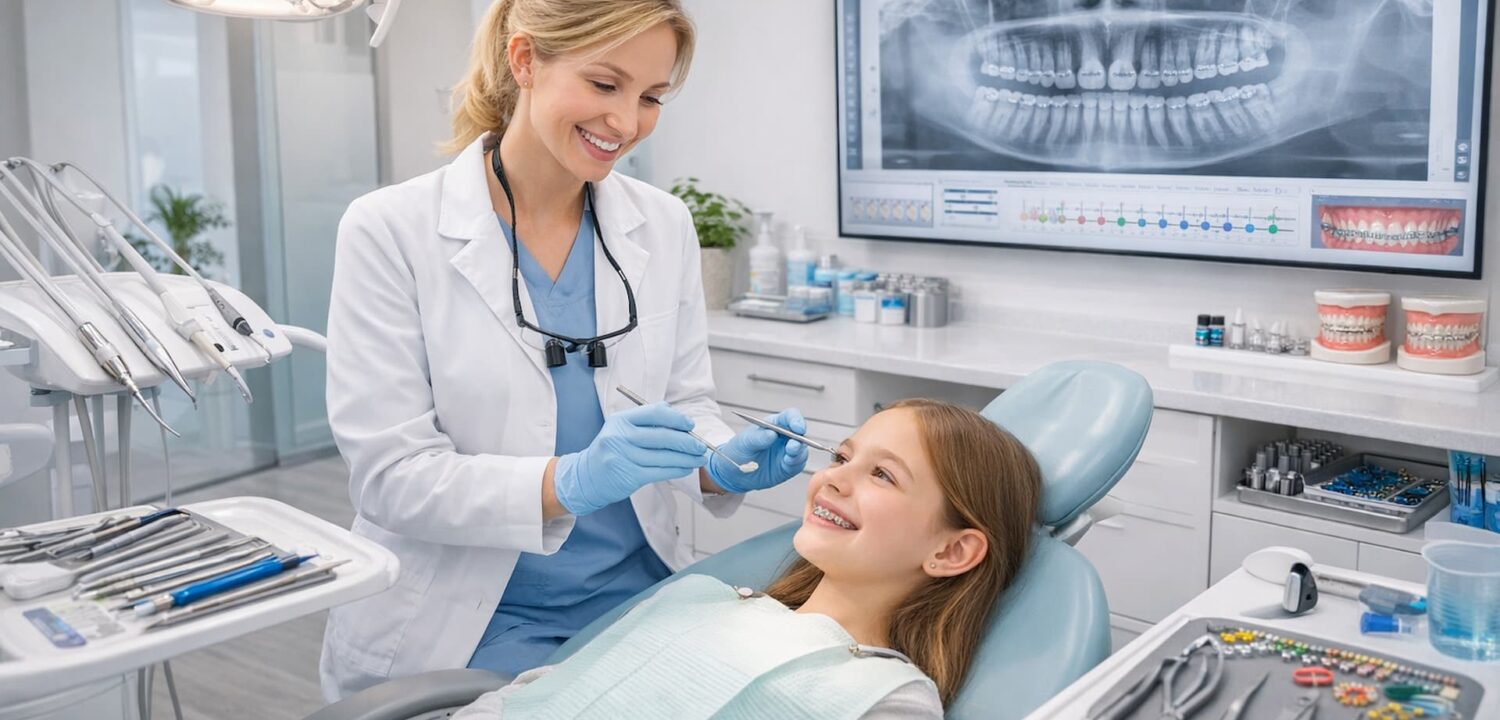
Modern Dental Orthodontics: Improving Smiles, Confidence and Oral Health
Orthodontic treatment has evolved significantly over the past few decades. Once associated almost exclusively with teenage metal braces, modern orthodontics now offers discreet, comfortable and highly effective solutions for patients of all ages. As awareness grows around the importance of oral health and facial aesthetics, more adults and young people across the UK are exploring orthodontic options to improve both function and confidence.
This article explores the role of dental orthodontics today, the conditions it addresses, and why professional, tailored treatment is essential for long-term results.
What Is Dental Orthodontics?
Dental orthodontics is a specialist area of dentistry focused on diagnosing, preventing and correcting misaligned teeth and jaws. Problems such as overcrowding, spacing issues, overbites, underbites and crossbites are not just cosmetic concerns; they can also affect speech, chewing efficiency and overall oral hygiene.
Teeth that are not properly aligned are often harder to clean, increasing the risk of tooth decay, gum disease and excessive wear. Orthodontic treatment aims to bring teeth into a healthier, more functional position, supporting both oral health and appearance.
The Shift Towards Adult Orthodontic Treatment
While orthodontics has long been associated with children and teenagers, adult treatment has seen a substantial rise. Advances in technology have led to more subtle and flexible treatment options, making orthodontics easier to fit around professional and social commitments.
Clear aligner systems, tooth-coloured fixed braces and removable appliances now allow patients to straighten their teeth without the visibility traditionally associated with braces. As a result, adults who may have missed treatment earlier in life—or experienced relapse after previous orthodontics—are increasingly seeking professional solutions.
Tailored Treatment for Individual Needs
One of the most important aspects of orthodontic care is that no two treatments are the same. Every patient has a unique bite, facial structure and set of oral health considerations. A thorough assessment is required to determine the most appropriate approach, whether that involves fixed braces, clear aligners or a combination of techniques.
Professional assessment also ensures that orthodontic movement is carried out safely, minimising risks such as root damage or gum recession. This is why it is essential that treatment is planned and monitored by qualified dental professionals rather than relying on generic, one-size-fits-all solutions.
Beyond Aesthetics: Long-Term Oral Health Benefits
Although a straighter smile can significantly boost self-confidence, the benefits of orthodontics extend far beyond appearance. Correct alignment can reduce strain on jaw joints, improve bite function and make daily oral hygiene more effective. In the long term, this can help preserve natural teeth and reduce the need for restorative dental work.
By addressing underlying alignment issues, dental orthodontics plays a preventative role in maintaining oral health throughout adulthood.
Making Informed Choices About Orthodontic Care
With so many treatment options now available, patients are encouraged to seek reliable information and professional advice before starting orthodontic treatment. Understanding the process, expected timelines and aftercare requirements helps ensure realistic expectations and successful outcomes.
For those exploring modern orthodontic solutions, learning more about dental orthodontics can provide valuable insight into how contemporary treatments are planned, delivered and maintained in a clinical setting.
Orthodontics today is about more than straight teeth—it is about creating healthy, balanced smiles that support overall wellbeing. As techniques continue to advance, access to effective and discreet orthodontic care has never been better, making it a practical and worthwhile investment for patients at every stage of life.












Leave a Comment